Information caged and uncaged

The Foreign Correspondents’ Club of Japan has a wonderful little library. Housed in glass, it is not unlike Hannibal Lecter’s glass cell in Silence of the Lambs, and provides a constant view of the books and of the people browsing them.
As you can imagine, many of the books are about Japan and its history and political engagement with other countries, but there are also novels, magazines, and great heavy photo tomes. When you borrow a book, the details and records are kept online, but the older books still include the names of those who borrowed and re-borrowed them. Some books are gifted, by individuals or newsrooms, and these bear a little ornate paper plate at the front of them.


Many of the books are so old, they are a single source of specific information, unavailable online, or by other means.
A friend visiting from bustling Hong Kong once told me she could never live in Japan — the silence and pressure to keep to the rules was too much like being in a library.
But I like libraries, so here I am, living in Japan.
But when it comes to journalism, the information we source is usually gathered from online sources. It’s easier to cite for fact-checking, and quicker to find, but occasionally, when working on a longer feature where I have the luxury of time, I turn to the library.
In fact, increasingly I value working in the proximity of books. I’m sure you’ve noticed, but the Google search engine has become an increasingly miserable means of searching for information. It has become a barrier, at odds with everything the internet was once promised to be.
The removal or disappearance of information isn’t only confined to the digital realm. Book debates are highly political, and libraries a battlefield in many countries and cities around the world.
I saw this up close during Hong Kong’s 2019 protest movement, where books deemed politically sensitive were taken from the library, leaving empty spaces where once easily accessible information had lived.
Around that time I regularly visited the Hong Kong Central Library in Tin Hau — a garish building with multiple floors of books in various languages, from Bahasa to English. Many of these books were old, and George Orwell’s Nineteen Eighty-Four was among the most borrowed book during those troubled times.
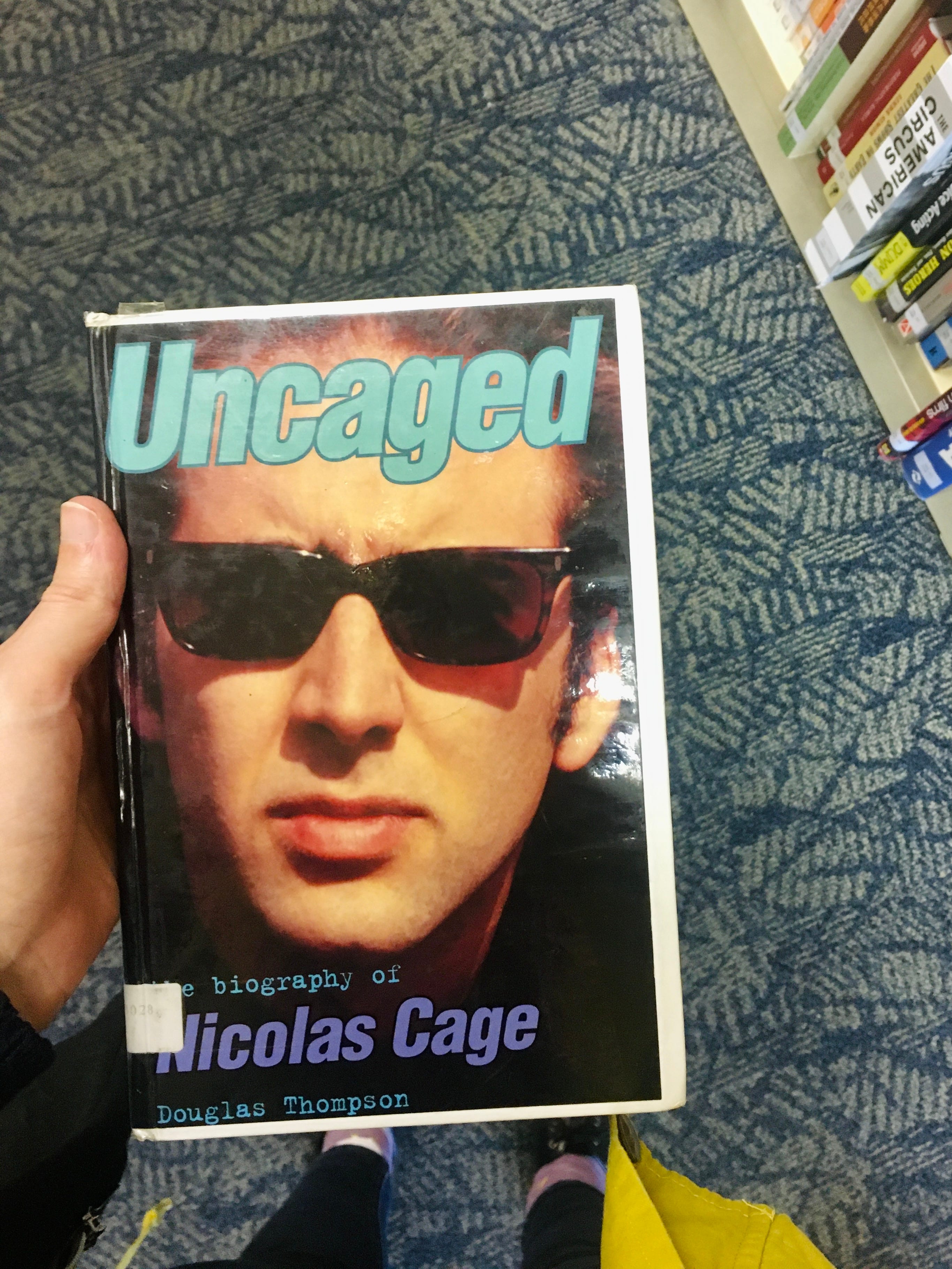
But there were also fun, outdated, also less noble books, like this one:
While governments and tech companies wield immense control over information flows, it feels sometimes as though we live in a world where information is rapidly disappearing, expertise is contained in aging brains, and quality information buried deeper in the internet.
As a journalist, enshitification makes our jobs harder, but it also emphasizes the need for humans, for phone calls, for traditional methods of reporting that were previously viewed as possible to circumvent by lazier methods. While there is plenty of talk about the various ways technology is eviscerating journalism, in order to report accurately, we need human input more than ever.
In a world where we may no longer be able to trust our eyes given the rapidly improving AI, the humble library and tangible documentation feels ever more important.
The most wonderful thing about books en masse is that they are sturdy, permanent, not beholden to the whim of the algorithm.
As a tidal wave of false and misleading information bears down upon us, the library is a respite, and fount of neatly ordered information, paced with a human reader in mind.
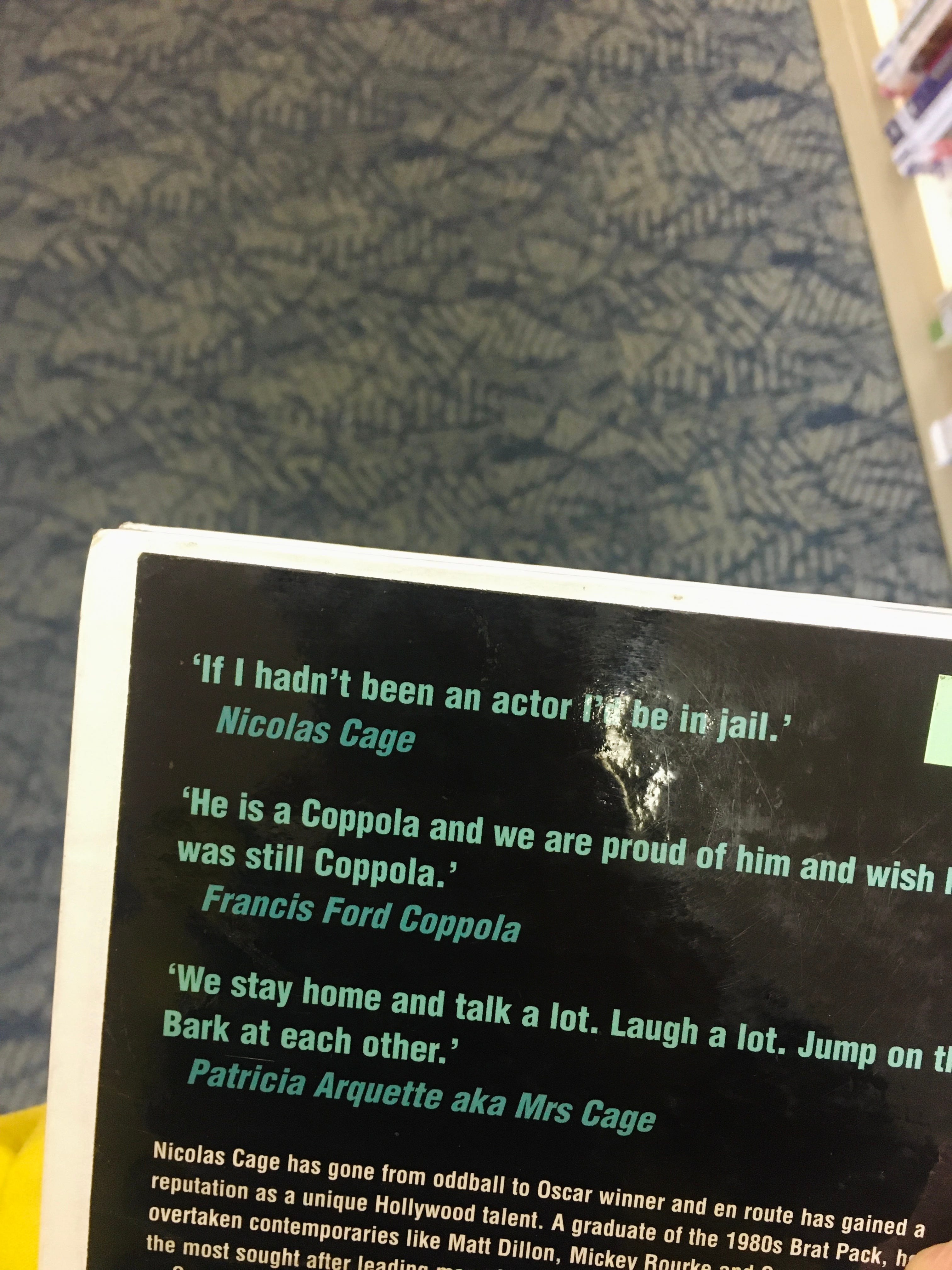
Such places contain many of the answers to the questions we ask, as well as answers to a few additional questions — such as, what might see Nicholas Cage caged? And what is the appropriate title for someone in a relationship with Nicholas Cage: